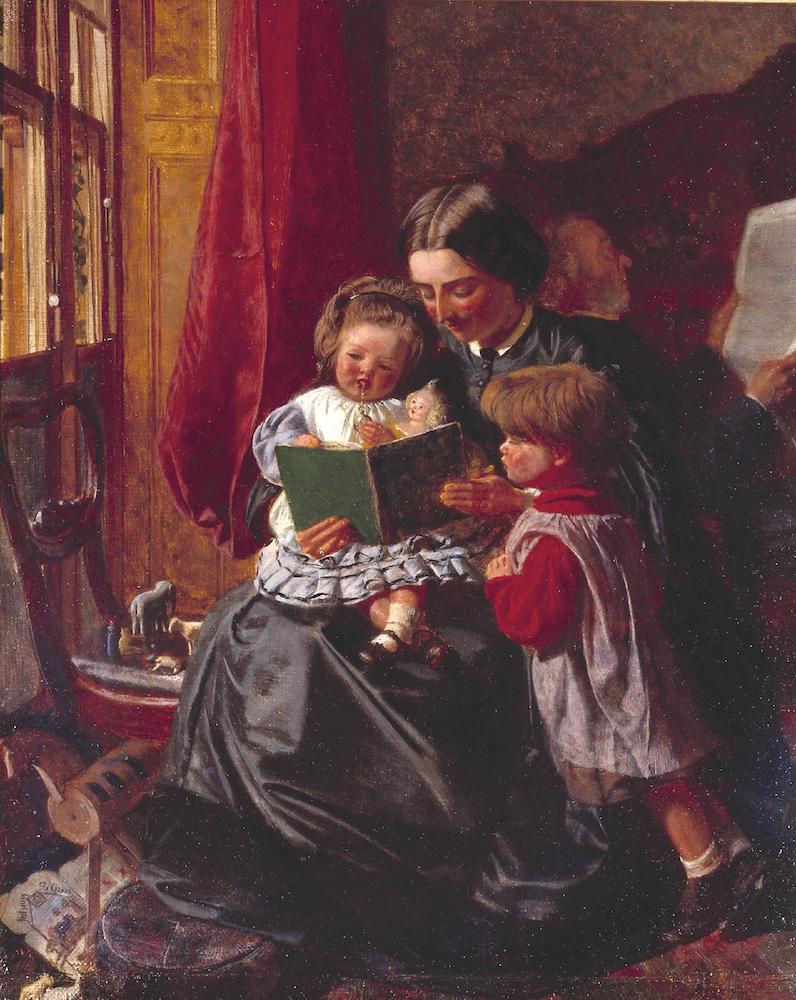
Children of the Book

“Books, even works of genius, are not incandescent orbs that exist independently in some kind of ether. For books to have enduring value, they must be read by people. For those readers to exist, they must be born and raised.”

Was a pleasure to review Ilana Kurshan’s fantastic new book for the Summer issue of Tradition, now available online.

A New Read on Female Modesty

It was an honor to review Rabbi Anthony Manning and Bracha Poliakoff’s groundbreaking new book for the wonderful Winter issue of Tradition Journal. This review was written before October 7 and before the world as we know it changed. In truth discussions of dress codes and hair coverings feel very distant right now, as we fight a war for our survival and we mourn the loss of precious soldiers nearly every day. Yet it’s interesting to note that the primary Biblical source for Tzniut actually comes from the battlefield, from the requirement that Jewish soldiers maintain a sense of holiness and dignity in their encampment. This requirement filters through to the soldiers of Tzahal today, where their remarkable integrity, spirit and faith distinguish them from every other army in the world. Please enjoy the review which has been released from the paywall courtesy of Tradition Journal.

Invest in Your Future Family: A Mommash Parenting Podcast

While podcasts are not yet entirely in my comfort zone, I appreciated the invitation to talk to Lori Fein Ramirez about family life and some of challenges as well as opportunities that we’ve encountered. Lori’s hilarious summary below:

Sarah Rindner Blum, an author, literature professor, and mother to a “steps and stairs” family of seven children in twelve years, shares her insights on why having “one more kid” is worth the investment. Join us for deep reflections on how each child offers something unique and priceless, how different roles for mom and dad make it work, Israeli vs. American cultural attitudes toward children, why Shabbat is the center of her homemaking all week long, spontaneity versus planning, lots of candy, her semi-broken set of devices for her family, some favorite children’s books, making literature a part of your family lore, her trash-into-treasures child, a mouse named Bob, having a home life different than you had imagined, why there’s nothing like an American minivan, and why a Jewish mama only needs to cook once a week.

Feel free to give it a listen on Spotify, Apple, or wherever you listen to your podcasts, and make sure to follow Mommash: The Oy and Joy of Parenting for loads of wonderful parenting wisdom.

Jewish Continuity and Jewish Destiny: It’s Not Just About You

A Response to Is Jewish Continuity Sexist? by Mijal Bitton (Sources: A Journal of Jewish Ideas, Spring 2021)

“In delineating the various people and parties who could conceivably be offended by a Jewish continuity agenda, Bitton leaves out the most important population of all: the future humans upon whom the entirety of civilization rests. It’s true that having children is physically and emotionally taxing, and undoubtedly the burdens are unequally distributed between genders, at least for discrete periods in a child’s life. Some of these challenges can certainly be remedied; others are on a certain level inherent. Eve is told “in pain you shall bear your children,” and Adam too, is destined to work hard for all the days of life. Yet any account of these difficulties needs to be contextualized with at least a passing mention of the vast potential that accompanies bringing forth new life into the world.”

Please see here for the full response, thank you to Sources and to Mijal Bitton for the opportunity to reflect.

Why Rachel’s Tomb Occupies So Remarkable a Place in the Physical and Spiritual Geography of Judaism

The Tomb has become a shrine for thousands of pilgrims, just as Rachel herself has become the religion’s ultimate matriarch. Why?

In 1995, when the Oslo process was in full swing, then-Prime Minister Yitzḥak Rabin was planning to hand over several West Bank cities to the Palestinian Authority. Among them was Bethlehem, where the site venerated by Jews as the tomb of the biblical matriarch Rachel is located.

Disturbed at the thought that Israel would relinquish the tomb, Rabbi Ḥanan ben Porat, an influential settlement activist, met with Rabin to convince him to leave it under Israeli control. On the way to this meeting, Porat was unexpectedly joined by Rabbi Menachem Porush, a Knesset member for the ultra-Orthodox, and formally non-Zionist, United Torah Judaism party.

At the meeting itself, Porat put forth a series of arguments, most of them security-related, to persuade Rabin that handing over Rachel’s Tomb would be a mistake. But Porush, to Rabin’s surprise, began to weep and grabbed the prime minister’s hands: “Yitzḥak, it’s Mama Rachel, Mama Rachel!” In Porat’s telling, Rabin was so moved that he changed the agreement so that the site would remain under full Israeli control—a decision in which the Palestinians concurred.

The biblical accountof Rachel’s death can be found in this week’s Torah reading of Vayishla(Genesis 32:4–36:43), which begins with Jacob’s tense reunion with his brother Esau. After years of enmity, the two embrace and weep and then go their separate ways. Shortly afterward, Jacob’s beloved wife Rachel dies while giving birth to her second son, Benjamin. She is not buried in the family tomb in the Makhpelah Cave, where Jacob will be buried alongside his other wife—Rachel’s sister Leah—and where Abraham, Isaac, Sarah, and Rebecca were already interred. Instead, Jacob buried her “on the road to Ephrath, now Bethlehem. Over her grave Jacob set up a pillar; it is the pillar at Rachel’s grave to this day.”

Read the full essay at Mosaic Magazine.

Mikva the Musical

On a June evening in the suburban Orthodox mecca of Teaneck, NJ, a long line of women snaked outside a small independent theater that rarely sees much of a crowd. They were waiting to see Mikva the Musical, which came to the U.S. for a weeklong, women-only run following a successful stint in Israel.

Of course, the terms “mikveh” and “musical” don’t normally go together. A mikveh is a ritual bath, in which, among its other functions, married observant Jewish women immerse themselves each month after completing their menstrual cycles. It’s not something one associates with showtunes and zippy dance numbers: precisely the surprising juxtaposition that gives the play much of its humor and charm.

Read the full article in Mosaic Magazine.

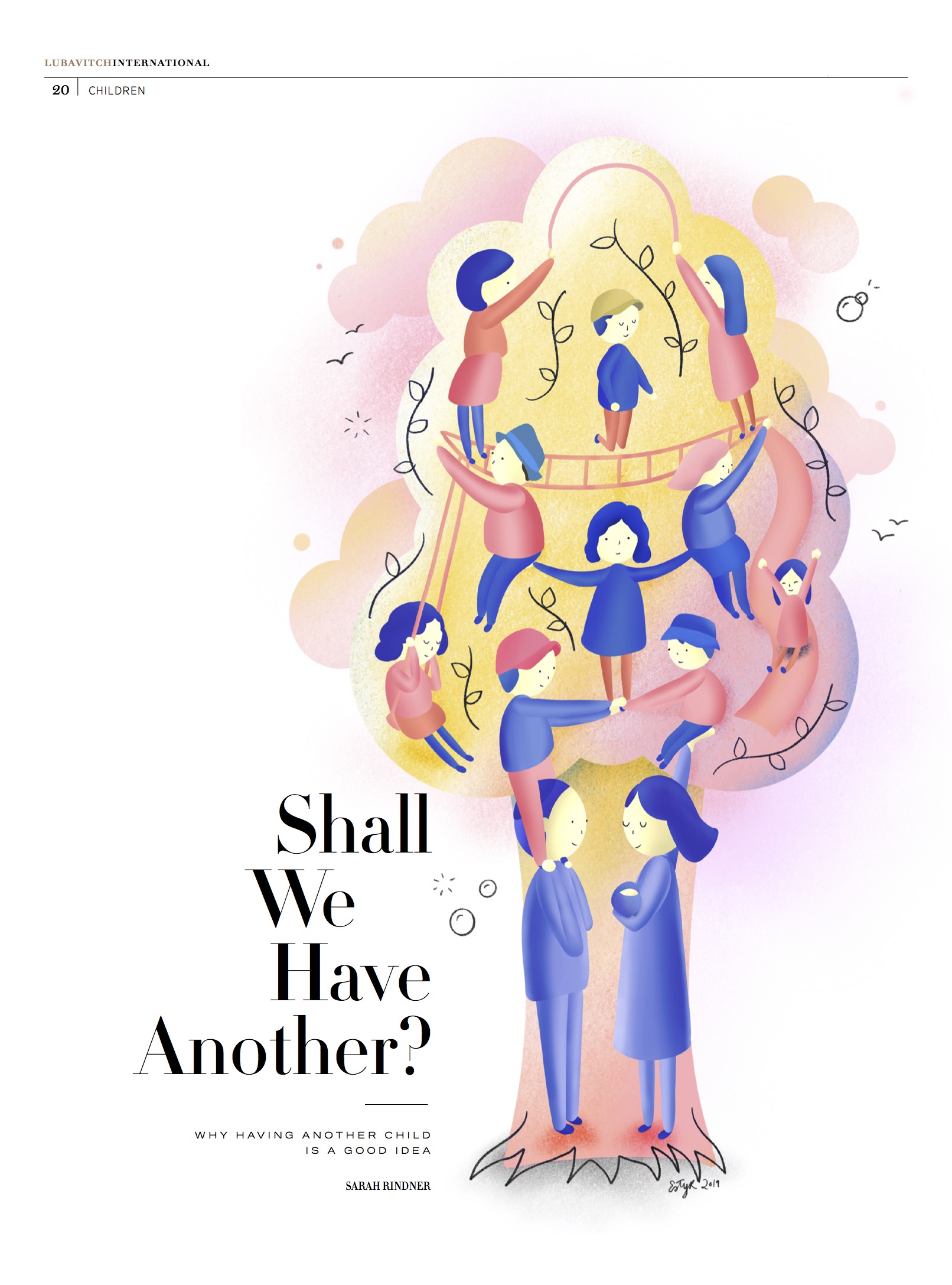
Shall We Have Another? A Case for Children in a Post-Parenting Era

“Ours is physically the healthiest and most affluent society that has ever existed, and, in some ways, raising children is also more convenient than it has ever been. Yet, children are increasingly perceived as a burden.”

Children Article LI Summer 5779(1)

Please see the full article in the Summer edition of Lubavitch International Magazine. 

Aviva Gottlieb Zornberg’s Bewilderments: Reflections on the Book of Numbers

In this month’s Jewish Action I review Aviva Gottlieb Zornberg’s new-ish Bamidbar anthology.

Excerpt: Beyond offering specific insights, Zornberg presents an expansive framework for reading Tanach that sets her apart from nearly every interpreter out there. Her books are a true illumination of the Talmudic maxim which describes the Torah: “Turn it and turn it for everything is in it” (Avot 5:22). Zornberg highlights the remarkable potential of Tanach to reflect upon, and in turn be illuminated by, many of the deepest questions and concerns raised in continental philosophy, postmodern criticism and the field of psychoanalysis.

The full review may be read here

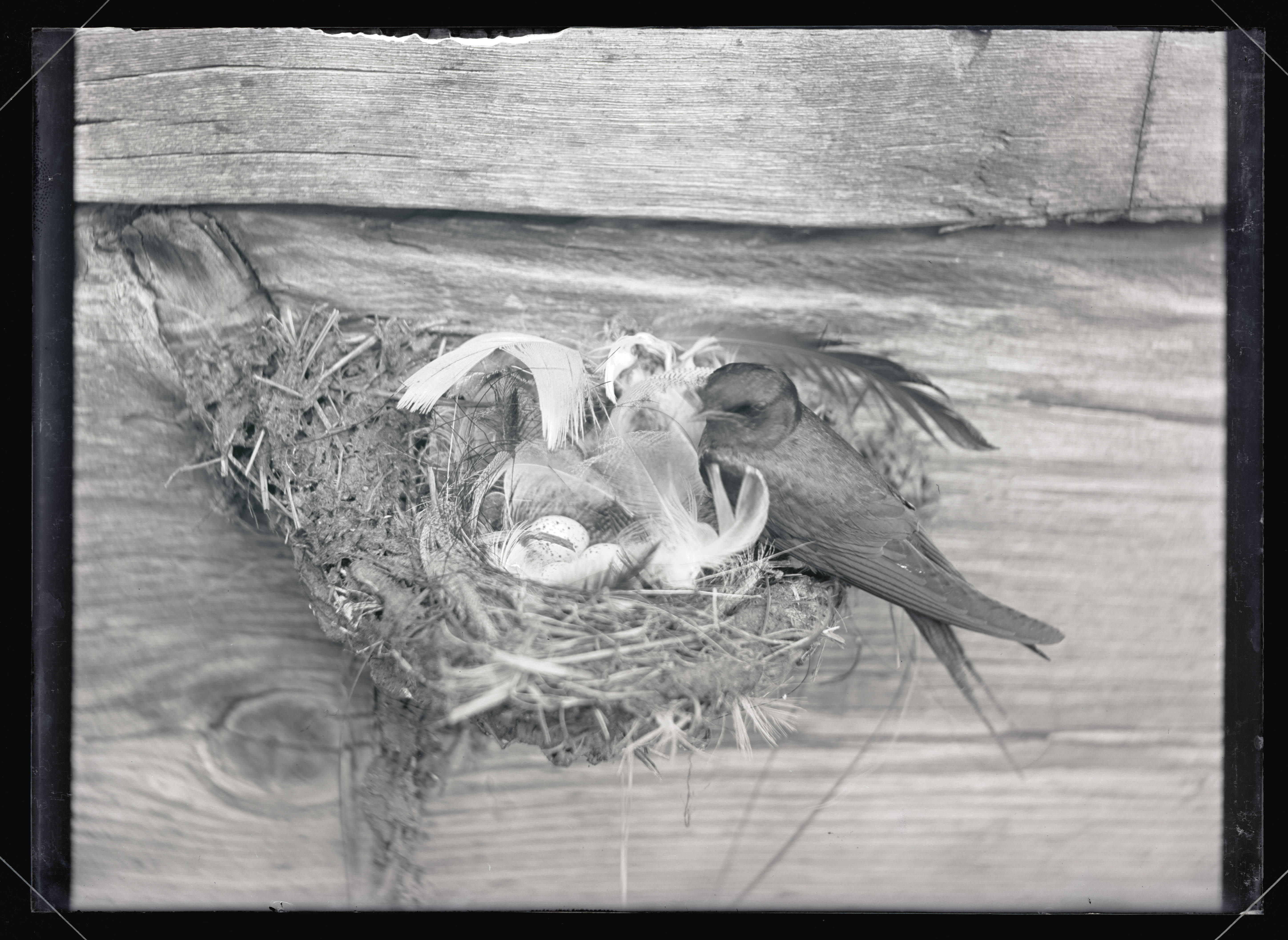
The Kabbalah of Birds’ Nests

The way the nest-full every time we stirred
Stood up to us as to a mother-bird
Whose coming home has been too long deferred,
Made me ask would the mother-bird return
And care for them in such a change of scene
And might our meddling make her more afraid.
That was a thing we could not wait to learn.
We saw the risk we took in doing good,
But dared not spare to do the best we could

Robert Frost (“The Exposed Nest”)

3667b4e2-2926-4d7d-91d3-3271e23de633-orglot369_finleya2362

Is a biblical commandment against taking a mother bird with her young intended to teach mercy, or is it about something else?

For the full article see this week’s Mosaic Magazine. .

On the Great Hebrew Poet Rahel

In his essay on the poet Raḥel, Hillel Halkin offers a fascinating study of her too-brief life (1890-1931), her poetics, and the unique place she occupies in the Hebrew literary landscape. Certainly, against the background of the pioneering Zionist ethos of her time—nationalistic, idealistic, and collectivist—the intense individualism of Raḥel’s verse stands out. No less deeply committed to the Zionist enterprise than other poets cited by Halkin, notably Uri Tsvi Grinberg and Avraham Shlonsky, she devoted herself mainly to the exploration of such seemingly inward emotions as sadness, longing, humility, and self-doubt.

The study of poetry on its own terms is a noble literary ideal, but it is difficult to read the poetry of Raḥel without also ruminating upon the personal circumstances, especially the disease to which she would eventually succumb at the age of forty, that may account for the themes of suffering, loneliness, and longing that run through her work. It is perhaps for this reason that Halkin in the end deems her to be, with emphasis on both adjectives, a “great minor poet”: that is, one who deals with localized themes, seemingly without obvious public import, but who nevertheless addresses them with a clarity and virtuosity that ensures he or she will never be forgotten—as, in Israel, Raḥel has indeed never been.

Yet might this major/minor distinction, which Halkin applies with subtlety and generosity, ultimately be something of a false choice?

Read the rest of this response in Mosaic Magazine,